Pathogen


A pathogen is any microorganism or agent that causes disease in its host. These agents can infect a variety of organisms, including humans, animals, plants, and even other microorganisms. Pathogens disrupt normal bodily functions, leading to illness or disease.
Types of Pathogens
Bacteria
Description: Single-celled organisms that can live in various environments. Not all bacteria are harmful; some are beneficial (e.g., gut bacteria).
Examples:
Salmonella (causes food poisoning)
Mycobacterium tuberculosis (causes tuberculosis)
Viruses
Description: Tiny infectious agents that require a host cell to replicate. They invade living cells and take over their machinery to produce more viruses.
Examples:
Influenza virus (causes flu)
HIV (causes AIDS)
SARS-CoV-2 (causes COVID-19)
Fungi
Description: Eukaryotic organisms that include molds, yeasts, and mushrooms. Some fungi can infect humans, animals, and plants.
Examples:
Candida albicans (causes yeast infections)
Aspergillus (causes respiratory infections in immunocompromised individuals)
Parasites
Description: Organisms that live on or in a host organism, obtaining nutrients at the host's expense.
Examples:
Plasmodium (causes malaria)
Toxoplasma gondii (causes toxoplasmosis)
Prions
Description: Misfolded proteins that can cause other proteins in the brain to misfold, leading to neurodegenerative diseases.
Examples:
Creutzfeldt-Jakob disease (CJD)
Bovine spongiform encephalopathy (mad cow disease)
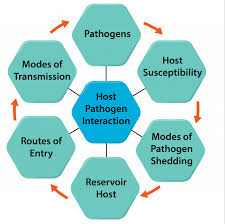
How Pathogens Spread
Pathogens can spread through various routes, including:
Direct contact: Touching, kissing, or sexual contact.
Indirect contact: Touching contaminated surfaces or objects.
Airborne transmission: Inhaling droplets from coughs, sneezes, or aerosols.
Waterborne transmission: Drinking or coming into contact with contaminated water.
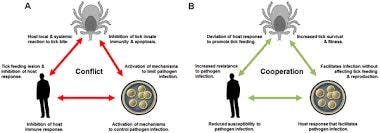
Vector-borne transmission: Being bitten by an infected insect (e.g., mosquitoes, ticks).
Foodborne transmission: Eating contaminated food.